
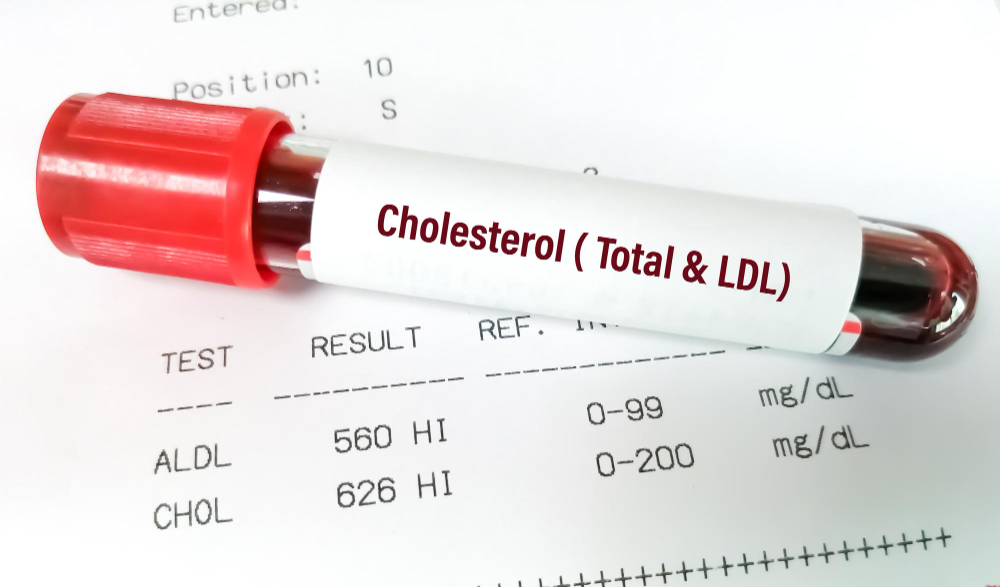
What is Cholesterol?
Cholesterol, obesity, and your heart are closely linked. Cholesterol is a waxy, fat-like substance found in your blood. Your body needs some cholesterol to build cells. However, too much can be harmful. There are two main types of cholesterol:
Normal cholesterol levels are important for heart health. According to the CDC, total cholesterol should be below 200 mg/dL. Levels above this may increase your risk of heart disease.
Understanding Obesity
Obesity means having too much body fat. It is measured using Body Mass Index (BMI). BMI compares your weight to your height. A BMI of 30 or higher is considered obese. Several factors can lead to obesity, such as:
Obesity increases your risk for many health problems, especially heart disease.
How Cholesterol and Obesity Affect Your Heart
Both high cholesterol and obesity can harm your heart. When you have too much LDL cholesterol, it can build up in your arteries. This buildup, called plaque, narrows your arteries and makes it harder for blood to flow. As a result, your heart works harder, which can lead to heart disease.
Obesity adds extra strain on your heart. It can raise your blood pressure and blood sugar. Together, high cholesterol and obesity increase your risk of:
According to the World Health Organization, these conditions are leading causes of death worldwide.
Symptoms and Warning Signs
Often, high cholesterol and obesity do not cause clear symptoms. However, over time, they can lead to warning signs such as:
Sometimes, the first sign may be a heart attack or stroke. Therefore, regular check-ups are important.
Diagnosis and Screening
Early diagnosis helps prevent serious problems. Doctors use simple tests to check cholesterol and obesity:
If you have a family history of heart disease, you may need more frequent screening. It is wise to see your doctor if you have any risk factors.
Treatment and Management
Managing cholesterol and obesity can protect your heart. Most people can improve their health with lifestyle changes. For example:
Sometimes, doctors may prescribe medications to lower cholesterol or help with weight loss. Always follow your doctor’s advice for the best results.
Prevention Tips
You can take steps to prevent heart disease naturally. Here are some helpful tips:
In many cities, you can join local fitness groups or cooking classes to support your heart health. Small changes can make a big difference over time.
When to Seek Medical Help
If you notice chest pain, trouble breathing, or sudden weakness, seek medical help right away. These may be signs of a heart attack or stroke. Even if you feel fine, regular check-ups are important. Early action can save your life.
For personalized advice on managing cholesterol and obesity, consult a cardiologist at Heartlink Cardiac Centre. Your heart health matters every day.