
Introduction
A coronary angiogram is a special test that shows how blood flows in your heart’s arteries. Doctors use this test to find blockages or narrow spots. Because heart health is so important, knowing what to expect during a coronary angiogram can help you feel more at ease. This guide explains the heart angiogram procedure, its risks, and how to prepare.
What is a Coronary Angiogram?
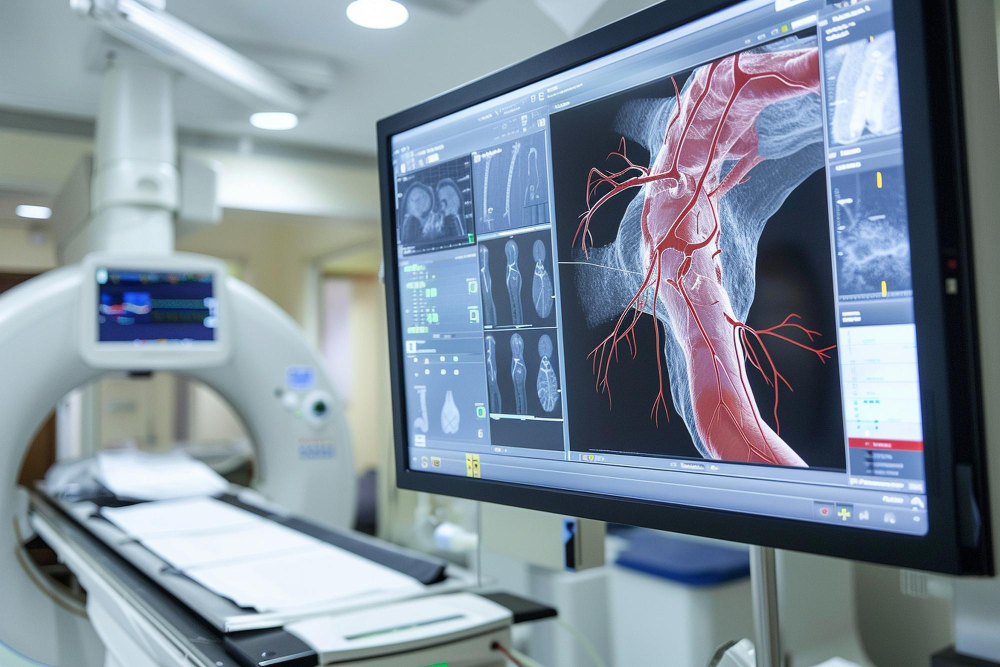
Simply put, a coronary angiogram is an X-ray test for your heart’s blood vessels. During this test, doctors use a thin tube called a catheter. They guide it to your heart through a blood vessel, usually in your wrist or groin. Then, they inject a special dye that makes your arteries visible on X-ray images. As a result, doctors can see if any arteries are blocked or narrowed.
Why is a Coronary Angiogram Needed?
Doctors may suggest a coronary angiogram for several reasons. For example, you might have chest pain, shortness of breath, or abnormal stress test results. Sometimes, people with a high risk of heart disease need this test. In addition, if you have already had a heart attack, this test helps plan further treatment. Overall, the main goal is to check for blockages that could cause heart problems.
Preparation for the Procedure
Before your coronary angiogram, your doctor will give you clear instructions. Usually, you should not eat or drink for several hours before the test. However, you may take your usual medicines with a small sip of water. Always tell your doctor about any allergies, especially to iodine or contrast dye. Also, let them know if you take blood thinners or have kidney problems. Bring a list of your medicines and any recent test results.
Step-by-Step Procedure Overview
Knowing what to expect during a coronary angiogram can help you feel calm. Here is a simple overview of the heart angiogram procedure:
Most people stay awake during the test, but you may get medicine to help you relax. The whole procedure usually takes 30 to 60 minutes.
Risks and Safety Considerations
Coronary angiograms are generally safe. Still, like any medical test, there are some risks. According to the World Health Organization and other experts, serious problems are rare. However, you should know about possible risks:
Most side effects are mild and go away quickly. Your doctor will watch you closely during and after the test. If you have questions about coronary angiogram risks, always ask your healthcare team.
Recovery and Aftercare
After the procedure, you will rest in a recovery area for a few hours. During this time, nurses will check your blood pressure and the catheter site. In most cases, you can go home the same day. However, you should avoid heavy lifting or hard exercise for a day or two. Drink plenty of water to help flush the dye from your body. If you notice swelling, pain, or bleeding at the site, call your doctor right away.
Frequently Asked Questions
Conclusion and Next Steps
In summary, a coronary angiogram is a safe and helpful test for checking your heart’s arteries. It helps doctors find and treat blockages early. If your doctor suggests this test, knowing what to expect can ease your worries. For the best advice about coronary angiograms, consult a cardiologist at Heartlink Cardiac Centre. They can answer your questions and guide you through each step.