
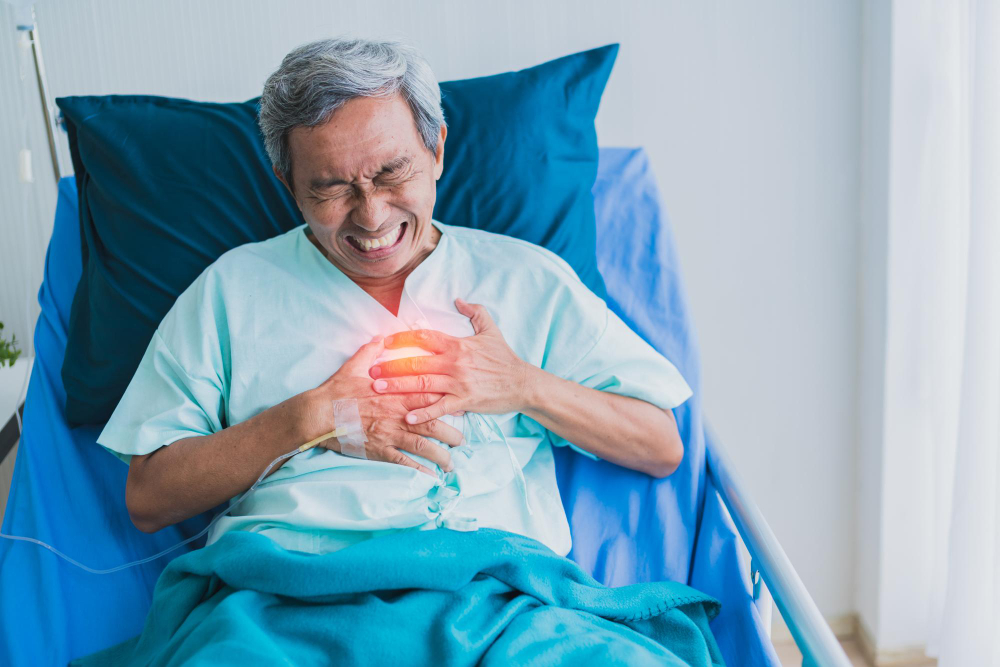
What is Cardiac Arrest?
Cardiac arrest is a sudden loss of heart function. When this happens, the heart stops pumping blood to the body. As a result, the brain and other organs do not get enough oxygen. Without quick help, cardiac arrest can lead to death within minutes. According to the World Health Organization (WHO), cardiac arrest is a leading cause of death worldwide. Many people confuse cardiac arrest with a heart attack. However, they are not the same. A heart attack happens when blood flow to the heart is blocked, but the heart may still beat. In contrast, cardiac arrest means the heart has stopped beating completely.
Common Symptoms of Cardiac Arrest
Cardiac arrest often happens without warning. Still, some signs may appear just before it occurs. Knowing these symptoms can help save lives. For example, a person may:
Sometimes, people may have warning signs like chest pain, shortness of breath, or palpitations. However, in many cases, cardiac arrest strikes without any symptoms.
Leading Causes and Risk Factors
There are several sudden cardiac arrest causes. Most often, it happens because of a problem with the heart’s electrical system. This can cause the heart to beat too fast, too slow, or irregularly. Some leading causes and risk factors include:
Additionally, certain factors raise the risk. For instance, older age, smoking, high blood pressure, diabetes, and obesity all increase the chance of cardiac arrest. Family history of heart disease also plays a role.
How Cardiac Arrest is Diagnosed
During a cardiac arrest, quick action is vital. Doctors diagnose cardiac arrest based on symptoms and physical signs. For example, if a person is unresponsive, not breathing, and has no pulse, cardiac arrest is likely. In the hospital, doctors may use tests to find the cause. These tests can include:
After emergency care, doctors may do more tests to prevent future episodes. Early diagnosis helps guide treatment and recovery.
Treatment Options and Emergency Response
Immediate emergency response for cardiac arrest saves lives. If you see someone collapse and stop breathing, act fast. First, call emergency services right away. Then, start chest compressions (CPR) to keep blood flowing. If an automated external defibrillator (AED) is nearby, use it as soon as possible. The AED can shock the heart back into a normal rhythm. Every minute counts. According to the American Heart Association, quick CPR and defibrillation can double or triple survival chances.
In the hospital, doctors may use medicines, cooling treatments, or surgery to treat the cause. Long-term care may include:
Prevention Tips and Lifestyle Guidance
Knowing how to prevent cardiac arrest is important. While not all cases can be avoided, many steps lower the risk. For example:
Additionally, learn CPR and how to use an AED. This knowledge can help save a life in an emergency.
When to Seek Medical Help
If you or someone you know has chest pain, trouble breathing, or faints, seek medical help right away. Even mild symptoms can be a warning sign. Early treatment can prevent sudden cardiac arrest. If you have a family history of heart disease or have risk factors, talk to your doctor. They can help you understand your risk and suggest ways to stay healthy.
In summary, cardiac arrest is a serious medical emergency. However, knowing the symptoms, causes, and prevention tips can make a big difference. If you or someone you know is at risk, consult a cardiologist at Heartlink Cardiac Centre for personalized advice.